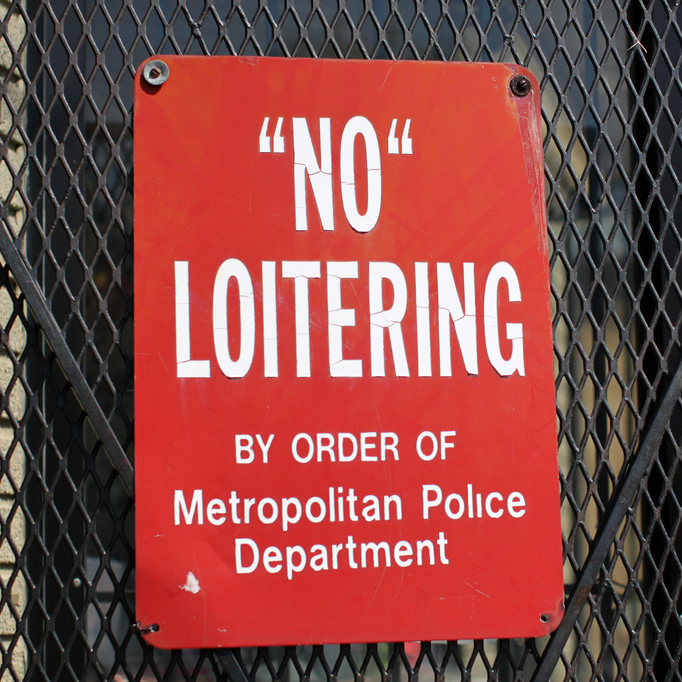
Quotation marks seem easy, but getting their formatting and use correct in your writing can be a challenge. You need to pay attention to what’s in the quotation marks, what is surrounding them and the overall content of your sentences.
Direct Quotations
Quotations of a Complete Sentence
Capitalization: Capitalize the first letter of a direct quote when the quote is a complete sentence.
Punctuation: If the quote appears first in in a longer section of text, place a comma between the last word of the quote and the closing quotation mark. If the quote starts later in the sentence, place a comma after the introductory phrase or dependent clause and before the first quotation mark. If the sentence closes with the quotation, put the closing punctuation inside the quotation marks.
For example:
“Well, I guess it’s alien season again,” said Mr. Gunderson, on viewing the fresh crop circle in his corn field.
He examined the crushed corn plants and grumbled, “I just wish they didn’t ruin my entire crop every time they came for a visit.”
Quotation Fragments
Capitalization: Do not capitalize the first letter of a quotation if the quote is a fragment or only a piece of the original material’s sentence.
Punctuation: No punctuation is necessary between the main body of the text and the quote fragment. If the sentence ends with the quotation fragment, put the closing punctuation inside the quotation marks.
For example:
Although Mr. Gunderson was used to the yearly crop circles, he complained that “all those flashing lights does spook my cows.”
Quotations Split in Mid-Sentence by Body Text
Capitalization: If a direct quotation is split by body text, do not capitalize the second half of the quotation.
Punctuation: Place a comma after the last word of the first half of the quotation. Place a second comma after your body text before beginning the second half of the quotation. If the sentence ends with the quotation, place the closing punctuation inside the quotation marks.
For example:
“The worst things,” Mr. Gunderson sighed, “are the abductions. I do get tired of the medical probes.”
Quotations with Mistakes or Omitted Material
When directly quoting material with grammar or spelling errors, you should make sure to write the quotation exactly as it written or spoken. Insert the Latin term sic in brackets immediately after the mistake. This tells your readers that the mistake is in the source material and not in your writing.
For example:
“I know I should be neighborly, them [sic] not being from around here,” said Mr. Gunderson, “but this is getting durn [sic] near ridiculous.”
Altering Quotations
Although you do not want to alter quotes to the point that their original meaning or intent is lost, you can alter quotes to provide clarity or conciseness.
Altering Quote Length
If a quote is long and you feel not all the words are necessary to capture the meaning of the quotation, you can omit part of the quote, replacing the missing words with an ellipsis (…) . Just make sure that removing words does not change the basic meaning of the original quote and you are still left with a grammatically correct sentence.
For example:
Original quotation: Mayor Sally Jameson remarked, “It would be nice if the aliens showed more interest in the town when they came for a visit. We’d like it if they saw the sights, ate at some restaurants, visited some of the local businesses and spent some tourist dollars while they were busy abducting people.”
Altered quotation: Mayor Sally Jameson remarked, “It would be nice if the aliens showed more interest in the town when they came for a visit. We’d like it if they … spent some tourist dollars while they were busy abducting people.”
Adding Context to the Quotation
If your quotation omitted information that readers need to properly understand the quote, you may add the clarifying information in brackets within the text. However, you should not replace the quotation text or alter the text; place your addition in brackets after the words in the quotation you are clarifying.
For example:
Original quotation: Mayor Jameson continued, “We’ve tried creating more of a tourist industry out of their visits, but it looks like we are just too far off the beaten path for even UFO enthusiasts to come for a visit.”
Altered quotation: Mayor Jameson continued, “We’ve tried creating more of a tourist industry out of their [the aliens] visits, but it looks like we are just too far off the beaten path for even UFO enthusiasts to come for a visit.”
Quotations Within a Quotation
What do you do about another quotation within your quotation? Enclose the sub-quotation with single quotation marks (‘…’). Be aware that single quotation marks are not apostrophes; check your special characters selection to find the single quotation marks.
For example:
As reported in Abduction Weekly, “When asked about the alien visits to the small town, famed UFO expert Sal Schmidt said the events were ‘just a little too hum-drum to be interesting to real UFO aficionados.’”
Using Quotation Marks to Show Irony
You can use quotation marks to show irony or words you use with some reservation.
For example:
Some UFO experts have questioned the town’s alien visitation claims, citing that the town’s “abductees” always seem to have been visiting the local pub before their alleged visits to an alien spacecraft.
Do not use quotation marks to add stress to a word or phrase, as that can just make it appear that the selection is being used ironically, and may take on the opposite meaning of what you intended. If you want to stress a particular word or phrase, it is best to use italics instead.
Additional Quotation Punctuation Rules
Question Marks and Exclamation Points
If the quotation itself is a question or exclamation, place the question or exclamation mark inside the closing quotation mark.
For example:
Although many UFO experts doubt some of the town’s claims, Mayor Jameson asked, “How else do you explain why so many of our residents go missing?”
The Mayor continued, “Sure, some of the abductees were later located in the county drunk tank, but I still believe our town is one of the alien visitation capitals of the world!”
If the question mark or exclamation point applies to the entire sentence and not the quote, place the final punctuation outside the closing quotation mark.
For example:
Why would aliens keep visiting a town whose biggest claim to fame is that it was home to the “1979 County Dodge Ball Championship Winners”?
It’s hard to believe that extraterrestrials would have much interest in a town boasting about having the “Third Largest Ball of Lint in the State”!
Semicolons, Dashes and Colons
Place semicolons, dashes and colons outside quotation marks.
For example:
Mayor Jameson explained that aliens choose to repeatedly visit their town because of “the town residents’ high intellectual capacity”; experts and local scientists disagreed, saying that the residents “didn’t seem particularly intellectual by any standard.”
The town’s advertised “cultural and intellectual events”— the annual cheese eating contest, greased chicken chase and five-legged races—do seem to contradict the Mayor’s claims of the town’s high intellectual standards as a draw for alien visitors.
In response to doubts on actual alien visitation of the town, the Mayor cited the town’s “Educational and Artistic Institutions”: the children’s community theater, the monthly knitting fair and the macaroni-art celebration held every May.
Quotation Marks and Titles
Use quotation marks around titles of newspaper and magazine articles, poems, essays, short stories, songs, book chapters and episode of television, radio or podcast programs.
For example:
The history of the town’s alien visitations and abductions was covered extensively in the article “Yes, Aliens Actually Visited This Town” from Missing Time Magazine and the podcast “Why Would Anyone Travel Light Years to Visit a Cheese-Eating Festival?”
 Grammaphile